
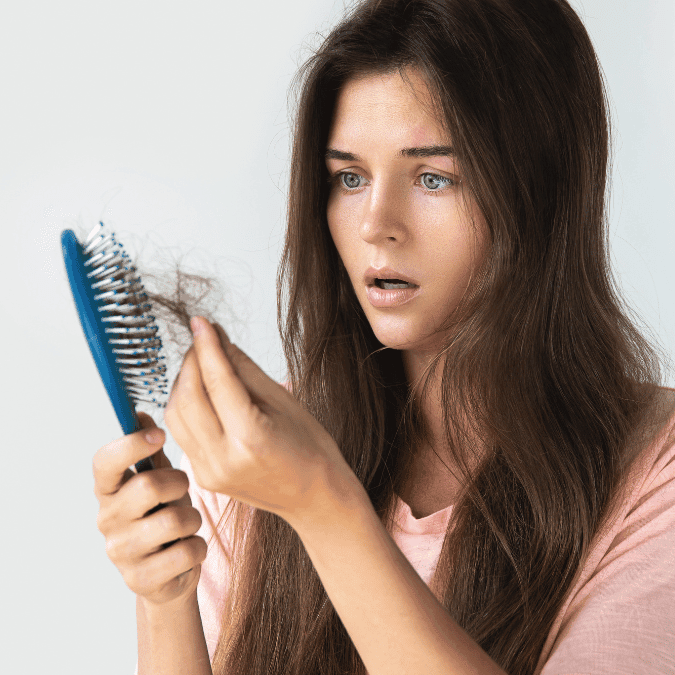
Hair loss is a common problem that affects people of all ages and genders. To prevent and manage hair loss effectively, it is important to understand the underlying causes. This article will explore the various factors that contribute to hair loss and provide tips to address and mitigate these issues.
Genetics is one of the primary contributors to hair loss. If your parents or grandparents experienced hair loss, you may be predisposed to it. Male and female pattern baldness, also known as androgenetic alopecia, is a hereditary condition that can cause hair follicles to shrink over time, leading to thinner and shorter hair strands.
Hormonal imbalances can also play a significant role in hair loss. Androgens, estrogens, and thyroid hormones are examples of hormones that can affect hair health. Pregnancy, menopause, polycystic ovary syndrome (PCOS), and hormonal therapies may disrupt hair growth cycles, leading to increased shedding.
Several medical conditions can trigger hair loss. For instance, alopecia areata, lupus, diabetes, and certain autoimmune diseases can cause the immune system to attack hair follicles, leading to hair loss. Chronic illnesses, high fever, and surgeries can also cause a temporary condition known as telogen effluvium.
A balanced diet is essential for overall health, including hair health. Deficiencies in essential nutrients such as iron, zinc, vitamins (especially B vitamins), and proteins can lead to weak and brittle hair, eventually causing hair loss. Therefore, maintaining a nutritious diet is crucial to preventing nutritional-related hair loss.
Chronic stress and a hectic lifestyle can damage hair. Stress-induced hair loss, known as telogen effluvium, can disrupt the normal hair growth cycle, leading to increased shedding. Adopting stress management techniques and maintaining a healthy lifestyle can positively impact hair health.
Exposure to harsh environmental elements, pollutants, and chemicals can contribute to hair damage and loss. Overusing styling tools, excessive exposure to sunlight, and certain hair products containing harmful chemicals can weaken hair strands and cause hair loss.
Understanding the root causes of hair loss is the first step towards taking control of the situation. While factors like genetics may be beyond our control, addressing lifestyle choices, maintaining a balanced diet, and managing stress can significantly impact overall hair health. If you are experiencing persistent or severe hair loss, it is advisable to consult with a healthcare professional or dermatologist for personalized guidance and treatment options. Taking proactive steps towards a healthier lifestyle can contribute to maintaining a fuller and healthier head of hair.