
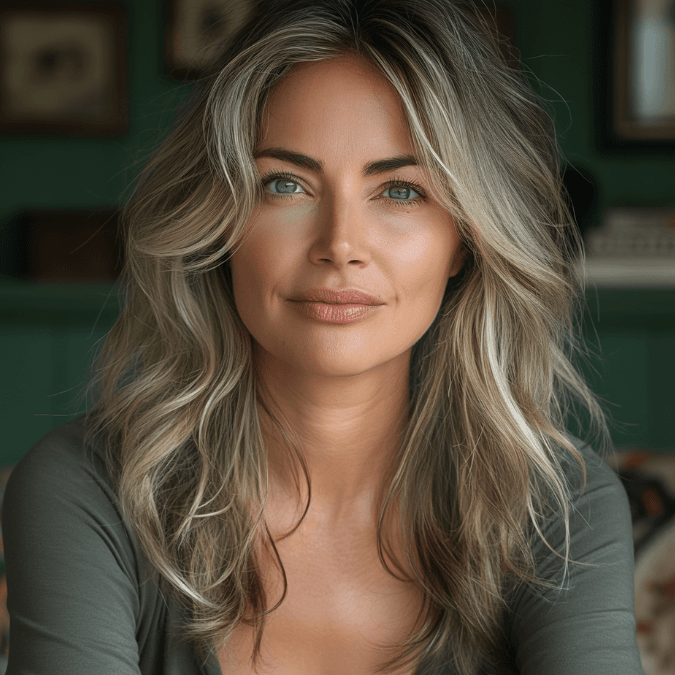
Menopause is a transformative phase in a woman’s life, bringing hormonal changes that often result in unexpected challenges, including excessive hair shedding. Thinning hair during menopause can feel frustrating, but understanding the causes and embracing natural solutions can help you regain confidence and maintain healthy, vibrant locks.
Why Does Menopause Cause Hair Shedding?
Hair shedding during menopause is primarily linked to the decline of estrogen and progesterone levels, hormones that play a crucial role in maintaining hair’s growth cycle. As these hormone levels drop, hair may grow more slowly, become finer, and fall out more quickly. Increasing androgen (male hormone) levels can shrink hair follicles, contributing to shedding.
A Natural Approach to Address Menopausal Hair Shedding
1. Adopt a Nutrient-Rich Diet
Your hair needs proper nutrition to thrive. Focus on foods rich in:
Biotin: Found in eggs, nuts, and seeds, biotin strengthens hair.
Omega-3 Fatty Acids: Salmon, chia seeds, and walnuts nourish hair follicles and promote elasticity.
Iron: Spinach and lentils combat anemia-related shedding.
Vitamin D: Supplements such as vitamin D3 and vitamin K2 are essential vitamins that support healthy hair growth.
2. Use Natural Hair and Scalp Care Products
Many commercial shampoos and conditioners contain sulfates, parabens, sodium hydroxide, and denatured alcohol that can irritate the scalp and damage fragile hair. Opt for products enriched with:
Certified Organic Aloe Vera Leaf Juice: Soothes and hydrates the scalp.
Peppermint Oil and Lavender Oil: Stimulate circulation to hair follicles, promoting growth.
Saw Palmetto: Blocks DHT (a byproduct of testosterone) to reduce shedding.
Biotin and Baobab Proteins: Strengthen and thicken hair strands.
3. Scalp Massage and Stimulation
Regular scalp massages improve blood circulation, ensuring nutrients reach hair follicles. For an added boost, incorporate essential oils like rosemary or peppermint.
4. Consider Stress-Reduction Techniques
Stress exacerbates hair shedding. Practice yoga, meditation, or deep breathing to lower stress levels. This not only benefits your hair but also enhances overall well-being during menopause.
5. Balance Hormones Naturally
While hormone replacement therapy (HRT) is an option for some, you can explore natural ways to balance hormones:
Phytoestrogens: Found in flaxseeds, soy, and chickpeas, these plant-based compounds mimic estrogen in the body.
Adaptogens: Herbs like ashwagandha and maca root help regulate stress and balance hormones.
6. Avoid Heat and Chemical Overexposure
During menopause, hair becomes more fragile. To nurture hair post-treatment, minimize using hot tools and harsh chemical treatments like bleach and dye. Use protective, restorative products, such as FOND Hair & Scalp Care.
7. Maintain a Healthy Scalp pH
Healthy hair starts with a balanced scalp. Use products formulated to maintain a pH of 4.5–5.5, which supports the scalp’s natural barrier and prevents dryness or excess oil production.
A Holistic Solution: FOND Hair & Scalp Care
FOND Hair & Scalp Care offers a range of natural, organic products to combat hair thinning and shedding. Infused with organic nutrients like coconut oil, green tea extracts, and quinoa protein, these products work to rejuvenate the scalp, strengthen hair, and optimize the growth cycle.
Final Thoughts
Hair shedding during menopause is natural, but it doesn’t have to define your journey. You can regain control over your hair’s health by embracing natural remedies, adopting a healthy lifestyle, and choosing the right products. Remember, your hair reflects your overall well-being—nurture it, and it will thrive.